Rebetiko Slang: The Secret Words Only Insiders Understood

Listen to a handful of rebetiko songs and you’ll quickly notice something: the vocabulary doesn’t quite match standard Greek. These lyrics were written in the coded, insider language of a specific subculture — words that carried entire worldviews in a single syllable, understood instantly by anyone who’d lived that life, and completely opaque to everyone … Read more

Rebetiko Cinema: How a Banned Sound Conquered the Silver Screen

There’s something almost poetic about a genre once confiscated by police eventually becoming the emotional backbone of internationally celebrated films. Rebetiko’s relationship with cinema spans decades, continents, and a dramatic reversal of cultural fortune — from a soundtrack authorities tried to erase, to one of the most recognizable musical signatures of Greek film worldwide. Here’s … Read more

Vassilis Tsitsanis: The Man Who Made Rebetiko Impossible to Ignore

If Markos Vamvakaris gave rebetiko its first documented voice, Vassilis Tsitsanis gave it something the genre desperately needed to survive long-term: legitimacy. He didn’t do this by softening the music’s emotional core or abandoning its roots in hardship and longing. He did it by writing songs so undeniably good, so structurally sophisticated, that Greek society … Read more

How Greek Diaspora Communities Kept Rebetiko Alive Across Oceans

Greek diaspora emigration suitcase, photorealistic photograph of a bouzouki and belongings by a ship

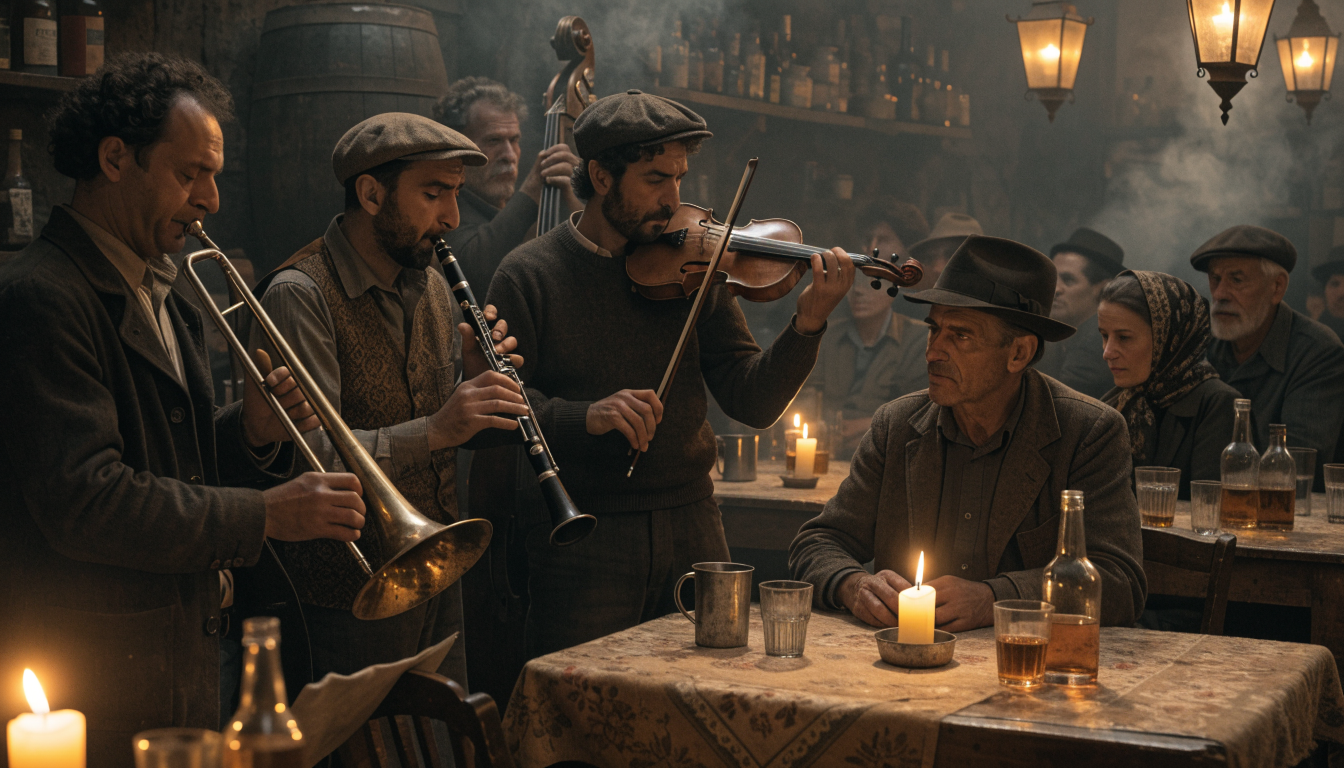
A song written in a smoke-filled Piraeus taverna in 1935 shouldn’t, by any reasonable expectation, still be sung in Melbourne, Chicago, or Hamburg nearly a century later. And yet it is — carried not by record labels or marketing campaigns, but by ordinary families who packed their memories along with their suitcases when they left … Read more

What They Really Ate and Drank in 1930s Tavernas

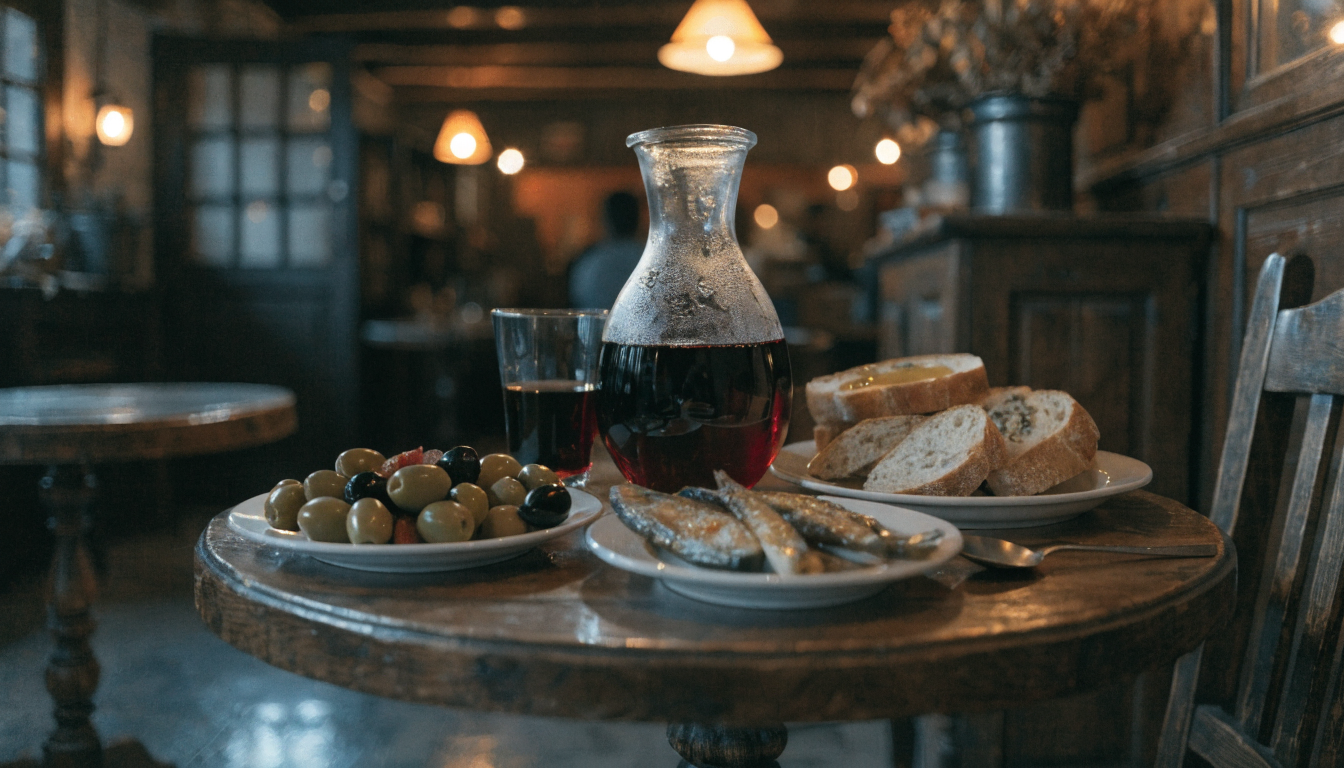
Rebetiko didn’t happen in silence, and it didn’t happen on an empty stomach. Behind every legendary taverna performance was a table — small, wobbly, probably stained with wine rings — covered in cheap, simple food that dockworkers and refugees could actually afford. If you’ve ever wondered what filled those tables while the bouzouki played, here … Read more