
For decades, rebetiko survived quietly, passed from taverna to taverna, largely ignored by official Greek culture. Today, that same tradition fills entire festival weekends, drawing crowds who travel specifically to experience it. Here are five ways rebetiko festivals — and the recognition surrounding them — are keeping this century-old sound genuinely alive, not just preserved.
1. The Days of Rebetiko in Skopelos
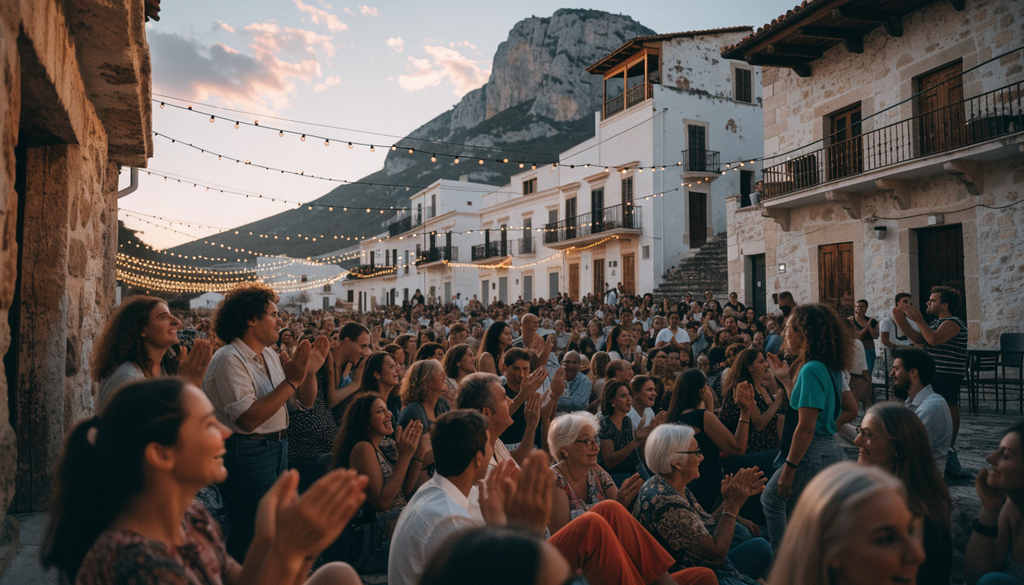
Since 2018, the island of Skopelos has hosted an annual celebration known as the “Days of Rebetiko,” typically held in early July around the island’s old harbor. What began as a modest local tribute has grown into a genuinely international draw, bringing musicians from across Greece and abroad to perform, alongside workshops and seminars exploring the genre’s history.
What makes this festival particularly meaningful is its intimacy — performances often happen close enough to the audience that the line between musician and listener starts to blur, echoing the informal taverna gatherings where rebetiko was born.
2. The Syros Festival Honoring Markos Vamvakaris
Running since 2016 in late August or early September, the Syros Rebetiko Festival carries special weight: it directly honors Markos Vamvakaris, the genre’s most influential early figure, who was born on the island. Organized with support from the Greek Ministry of Culture, the festival combines concerts with exhibitions from traditional instrument makers and hands-on workshops on folk instrument technique.
For anyone who has read about Vamvakaris’s journey from a struggling young islander to the “patriarch” of an entire genre, walking through this festival on the island of his birth adds a layer of meaning that few musical events anywhere can match.
3. The Athens Rebetiko Festival
A newer addition to the calendar, the Athens Rebetiko Festival emerged from the work of the Greek Music Archive “Grecous,” founded in 2021. Rather than treating rebetiko as a museum piece, the festival was built around a simple idea: this music doesn’t need an institution to justify its existence — it needs a stage and an audience willing to feel it.
Volunteers, musicians, musicologists, and instrument makers all contribute to the event, reflecting how rebetiko preservation today is as much a community effort as a formal cultural program.

4. UNESCO Recognition That Changed Everything
In 2017, rebetiko earned a place on UNESCO’s Representative List of the Intangible Cultural Heritage of Humanity — a formal international acknowledgment of the genre’s cultural significance, following its earlier addition to Greece’s own National Inventory of Intangible Cultural Heritage in 2015.
This recognition mattered enormously for rebetiko festivals specifically. It gave organizers institutional backing, opened doors to government support, and lent credibility to events that had previously relied entirely on grassroots passion. In many ways, UNESCO’s decision transformed rebetiko from a beloved but informal tradition into an officially protected piece of world heritage.
5. Instrument-Making Workshops Passing Down the Craft
One of the most understated but important elements of these festivals is their focus on the people who build the instruments, not just the people who play them. Festivals like the one in Syros regularly feature exhibitions of traditional Greek luthiers — craftsmen preserving techniques for building bouzoukis and related instruments by hand, using methods passed down for generations.
Without these workshops, rebetiko festivals would eventually run into a quiet but serious problem: fewer people capable of building the instruments the music depends on. By putting luthiers on equal footing with performers, festivals ensure the entire ecosystem around rebetiko survives, not just the songs themselves.
Why This Matters
- These festivals prove rebetiko isn’t being preserved as a relic — it’s being actively lived, performed, and passed forward
- International recognition through UNESCO has given the tradition institutional protection it never had during its early, censored decades
- The combination of performance, craftsmanship, and education ensures the whole culture survives, not just isolated songs

Illustrations in this article were created using AI in a photorealistic style.
Want to hold a piece of this history in your hands? Visit our official shop for digital albums, CDs, and restored vinyl records celebrating the golden era of rebetiko.