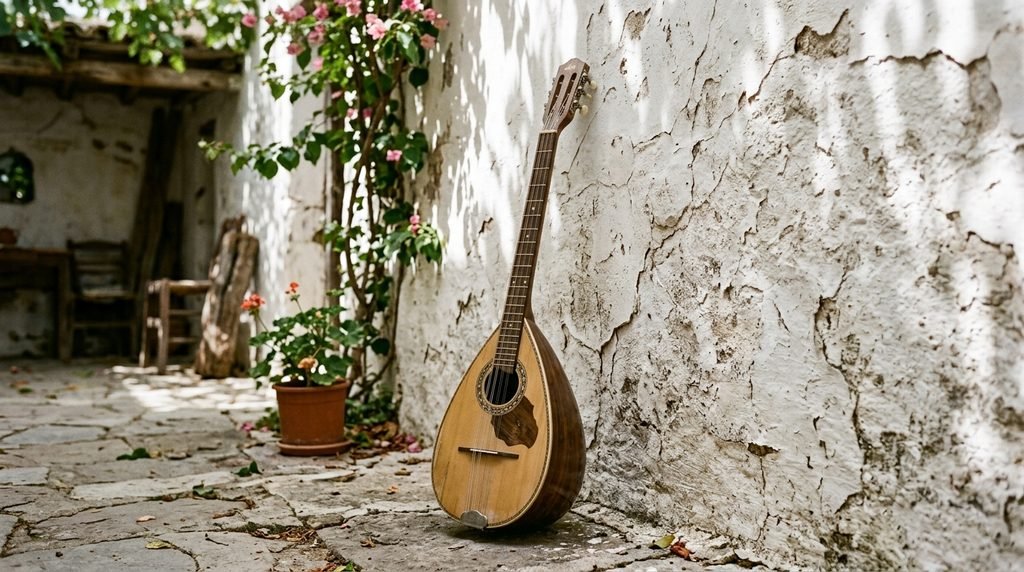
Rebetiko History & Culture
-
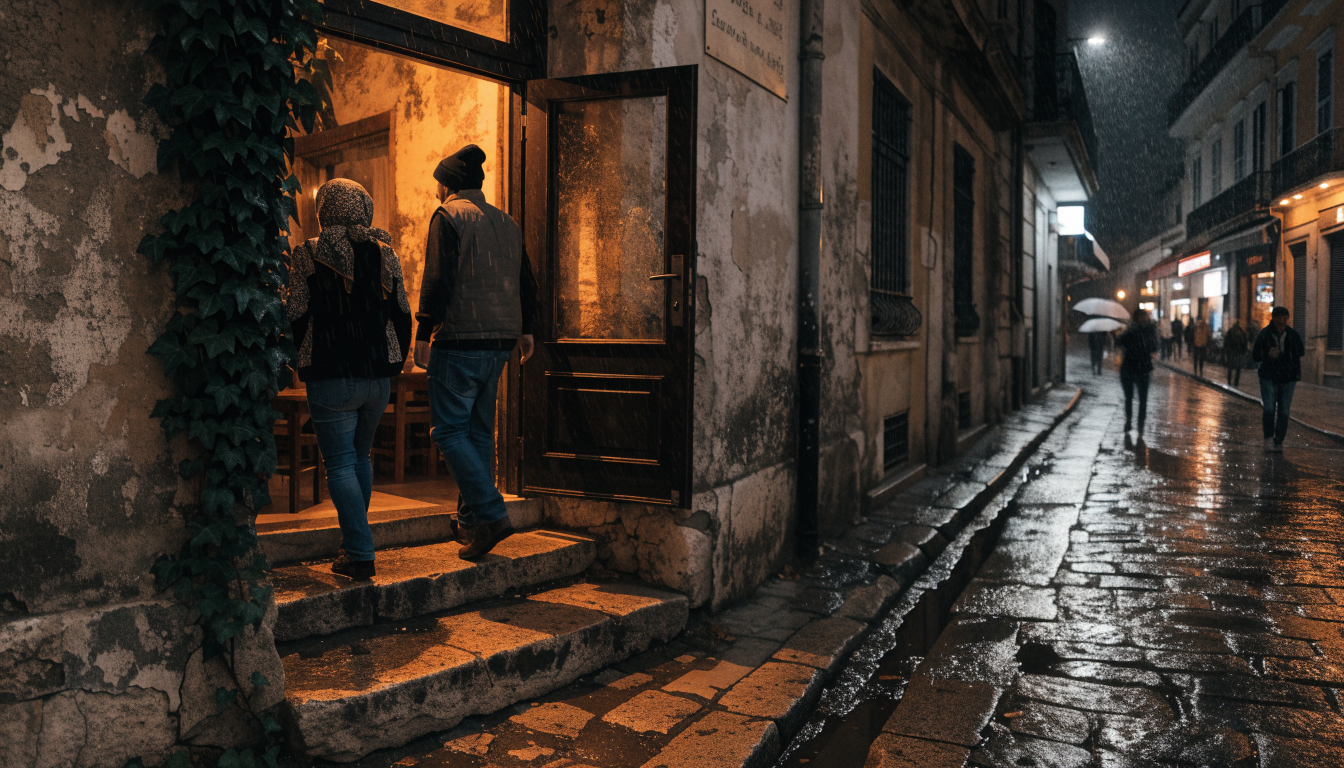
Rebetiko Live: 5 Historic Tavernas Still Playing It Tonight
Everything we’ve written about so far on this blog might make rebetiko sound like something confined to history books and old recordings. It isn’t. Right now, tonight, somewhere in Athens, a bouzouki player is tuning up in a small basement taverna, getting ready for a crowd that will stay until well past midnight. If you…
-

Rebetiko Cinema: How a Banned Sound Conquered the Silver Screen
There’s something almost poetic about a genre once confiscated by police eventually becoming the emotional backbone of internationally celebrated films. Rebetiko’s relationship with cinema spans decades, continents, and a dramatic reversal of cultural fortune — from a soundtrack authorities tried to erase, to one of the most recognizable musical signatures of Greek film worldwide. Here’s…
-
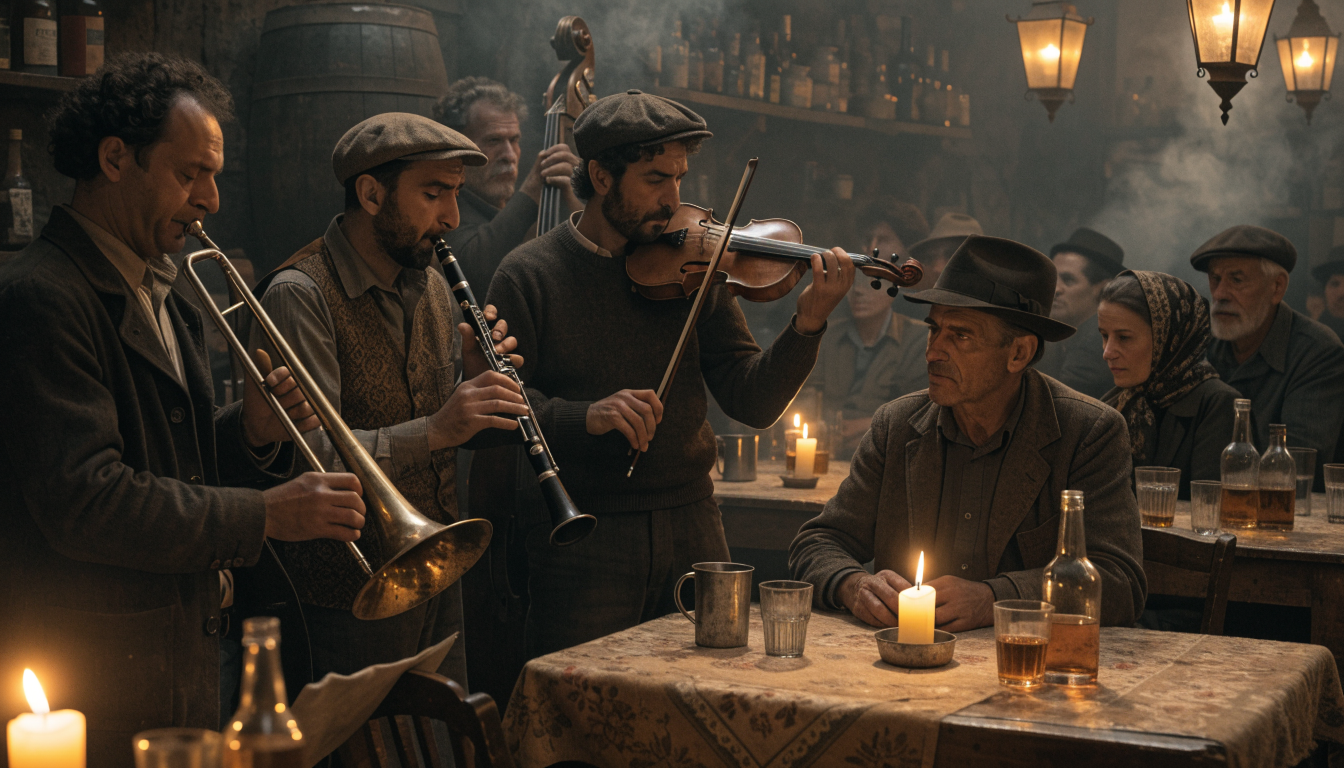
Vassilis Tsitsanis: The Man Who Made Rebetiko Impossible to Ignore
If Markos Vamvakaris gave rebetiko its first documented voice, Vassilis Tsitsanis gave it something the genre desperately needed to survive long-term: legitimacy. He didn’t do this by softening the music’s emotional core or abandoning its roots in hardship and longing. He did it by writing songs so undeniably good, so structurally sophisticated, that Greek society…
-
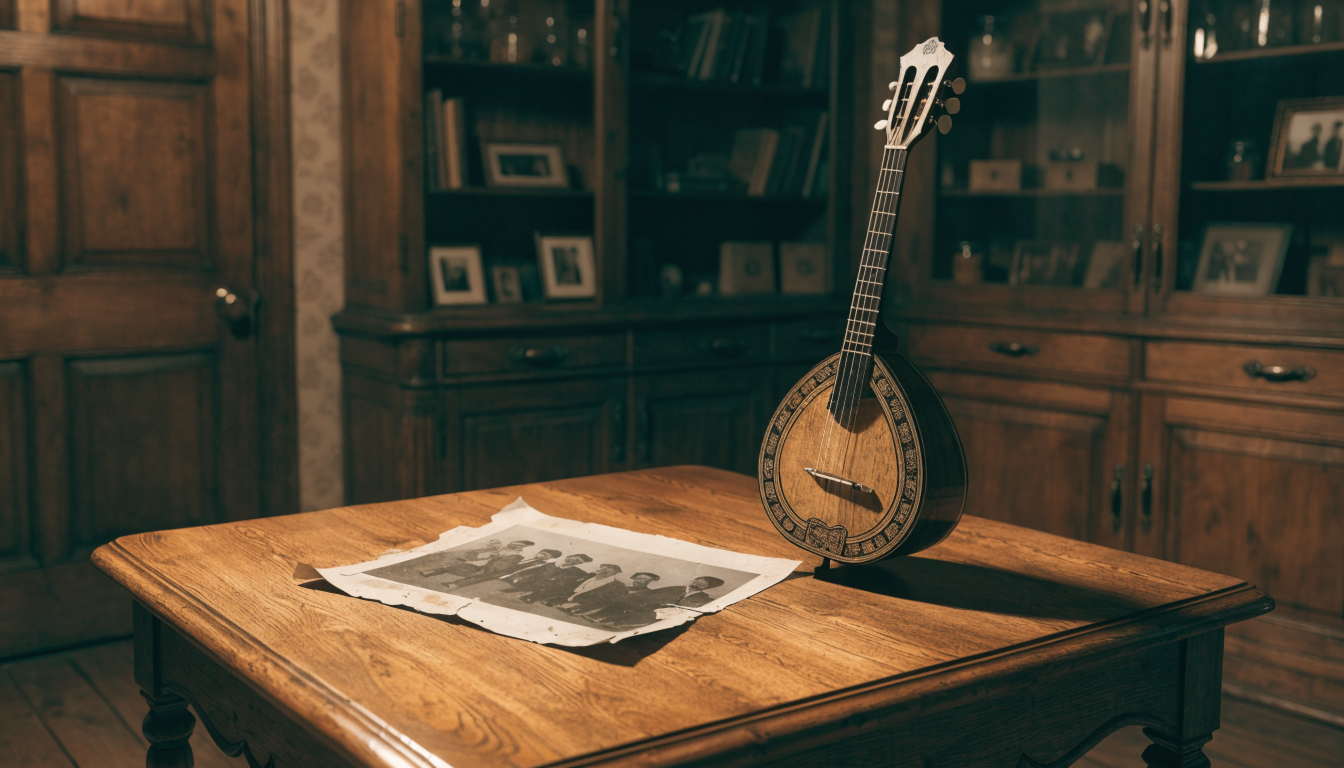
5 Rebetiko Myths Everyone Gets Wrong
Every genre with a century of history accumulates a few myths along the way, and rebetiko has more than its share. Some come from genuine gaps in the historical record. Others come from decades of the genre being romanticized, or oversimplified, or lumped together with music it has little in common with. Here are five…
-

How Greek Diaspora Communities Kept Rebetiko Alive Across Oceans
A song written in a smoke-filled Piraeus taverna in 1935 shouldn’t, by any reasonable expectation, still be sung in Melbourne, Chicago, or Hamburg nearly a century later. And yet it is — carried not by record labels or marketing campaigns, but by ordinary families who packed their memories along with their suitcases when they left…
-
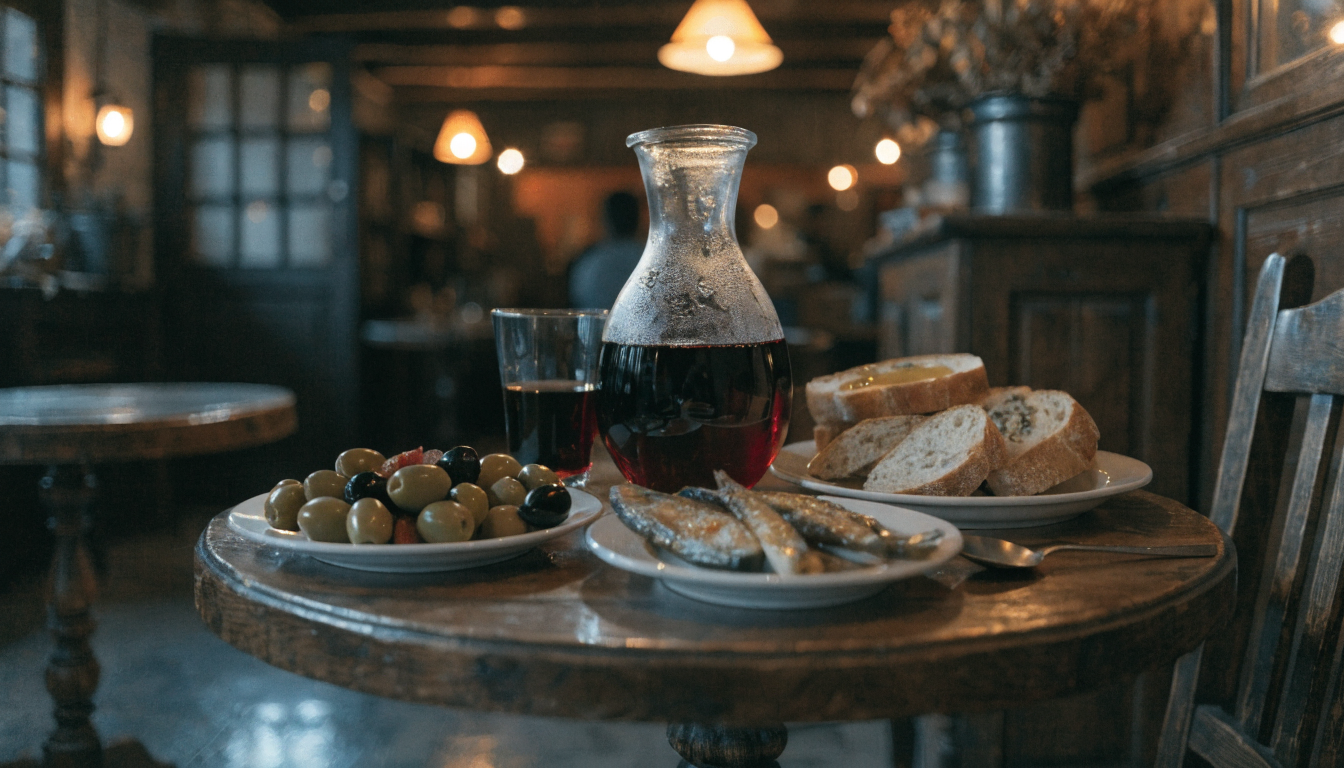
What They Really Ate and Drank in 1930s Tavernas
Rebetiko didn’t happen in silence, and it didn’t happen on an empty stomach. Behind every legendary taverna performance was a table — small, wobbly, probably stained with wine rings — covered in cheap, simple food that dockworkers and refugees could actually afford. If you’ve ever wondered what filled those tables while the bouzouki played, here…
Get the Sunday Letter
One story from Piraeus every Sunday. A chronicle you won’t find anywhere else on the site.
By subscribing, you agree to receive the Sunday Letter and to our Privacy Policy. We’ll email you a link to confirm.